If you have a toddler, chances are you've heard some version of:
“I do it!”
They want to pour their own water. Pick out their clothes. Open the door. Put on their shoes. Help with dinner. Carry the groceries. And sometimes, do something you've watched them do approximately 400 times faster than they ever could. 😂
It can be tempting to step in and help, especially when you're trying to get out the door or simply get through the day.
But that desire to do things for themselves is actually something worth encouraging.
The toddler years are a huge time for developing independence. And you don't need to completely change your home or hand over every responsibility to give your child more opportunities to practice.
Sometimes, it starts with a few really simple changes to their environment.

Why Do Toddlers Want to Do Everything Themselves?
Toddlers are discovering that they are capable of doing things on their own.
They are learning how their bodies work, figuring out how the world around them works, and beginning to understand that they can make choices and contribute to their family.
That can look like stubbornness sometimes.
But underneath the “No, I do it!” is often a growing sense of confidence and capability.
Instead of trying to stop that independence, we can look for small ways to make room for it.
Here are three simple places to start. 🤍
1. Put Everyday Things Within Their Reach
Take a look around your home from your child's perspective.
What are the things they use every day?
Their books? Clothes? Shoes? Water bottle? Toothbrush?
When appropriate, try putting some of those things where they can reach them without needing to ask for help every time.
In a bedroom, this might look like:
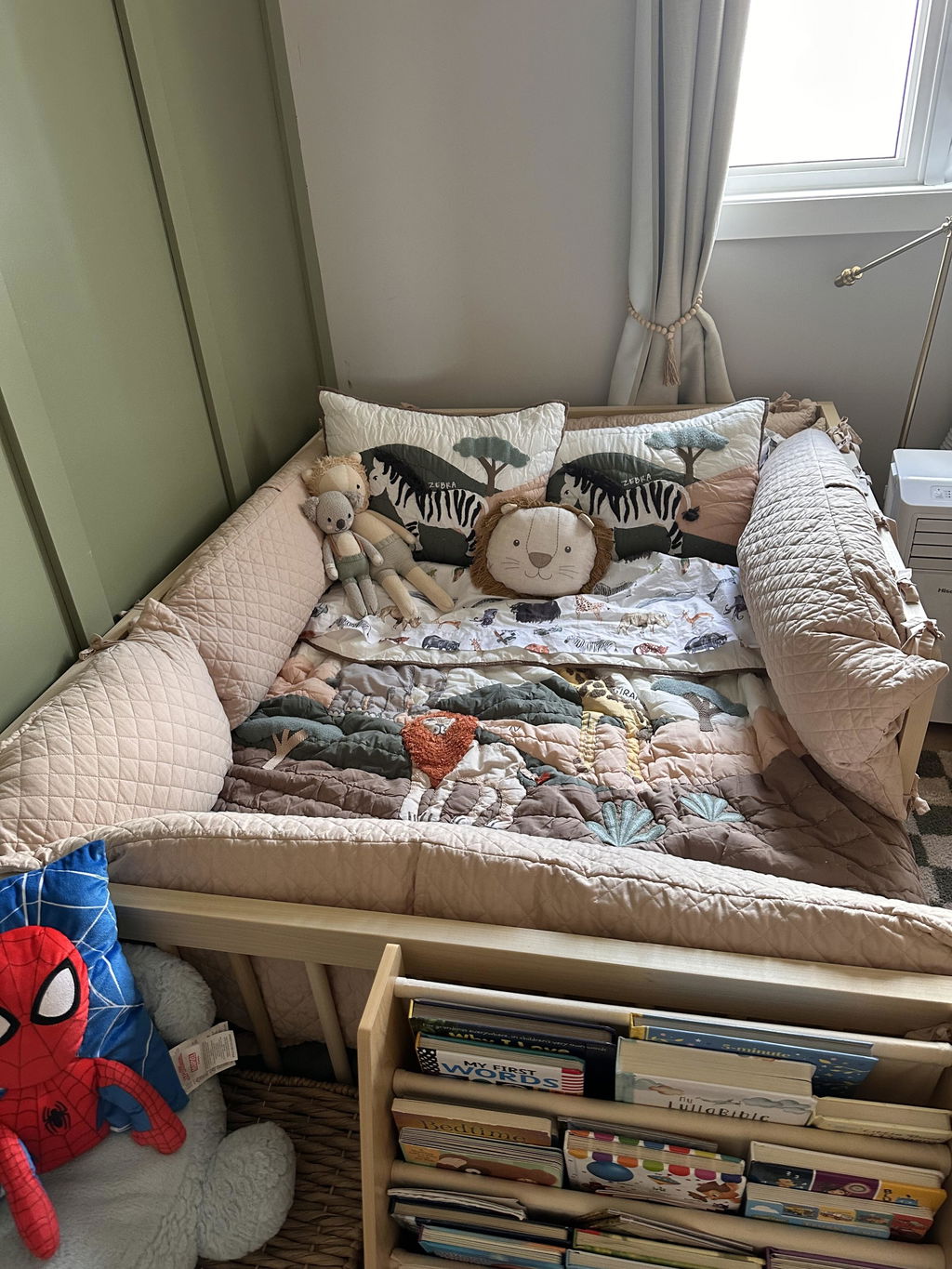
📚 Books on a low bookshelf
👕 A few clothing choices in an accessible drawer
🧸 Favorite toys on a low shelf
🧺 A laundry basket they can reach
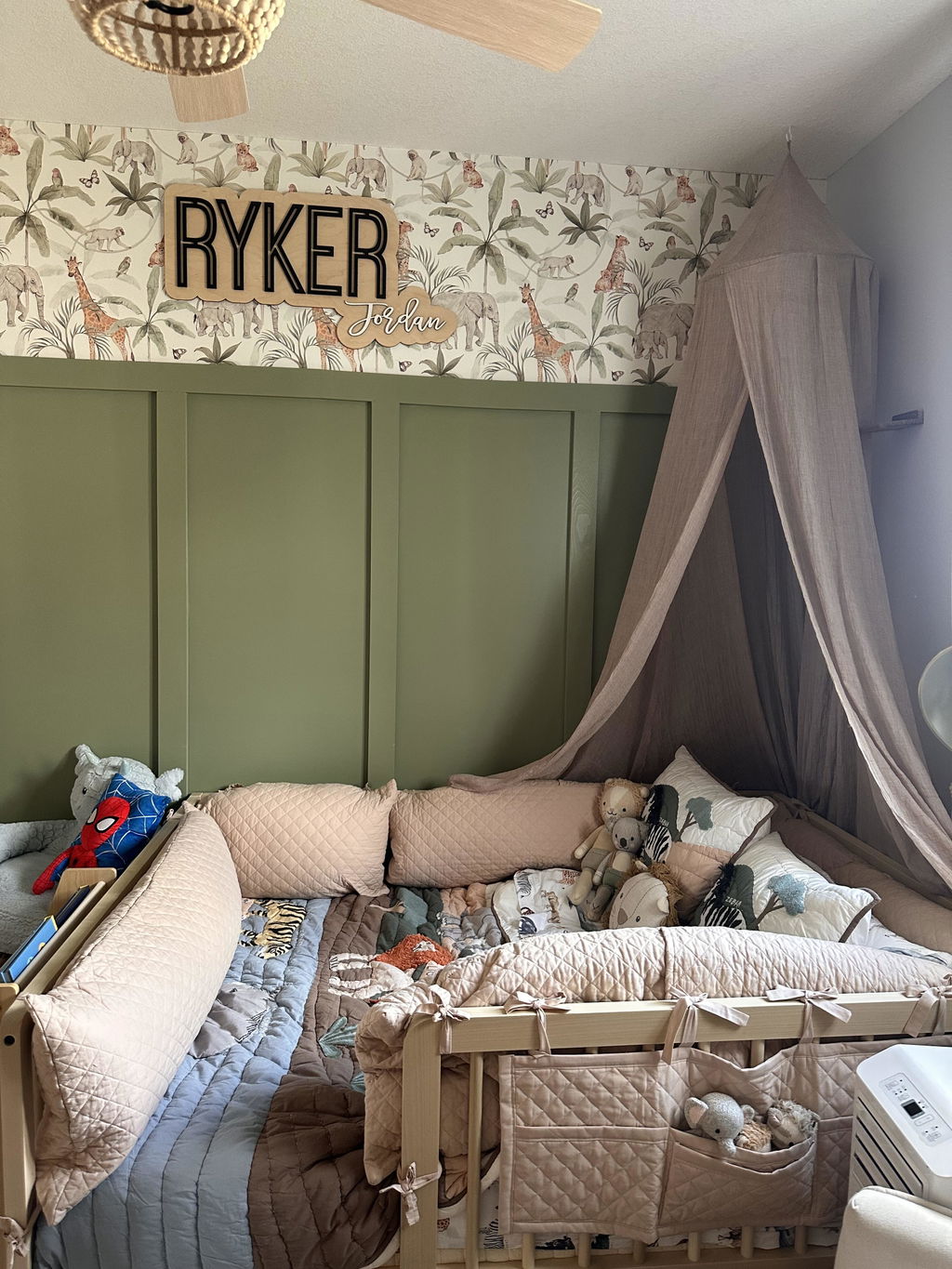
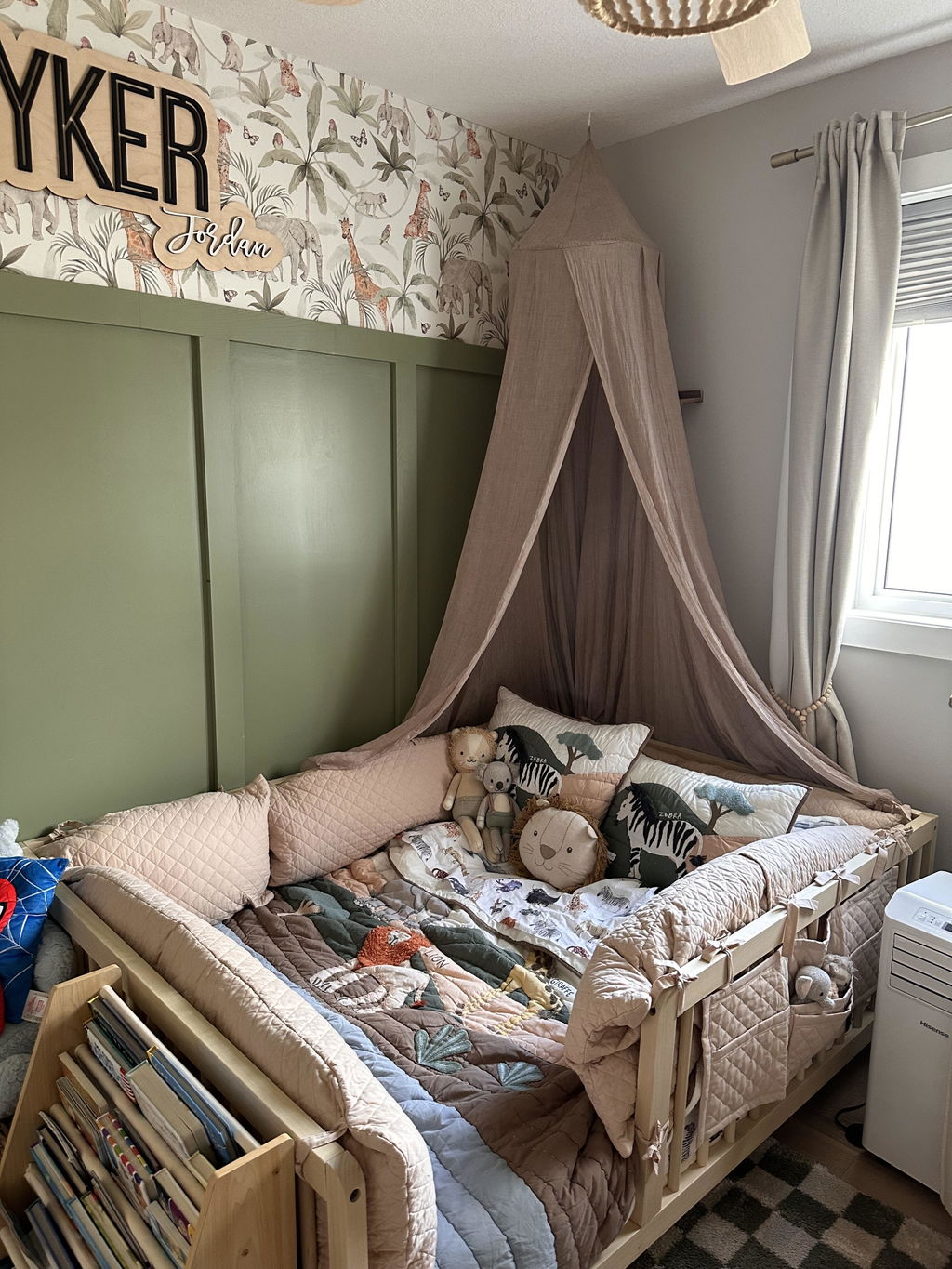
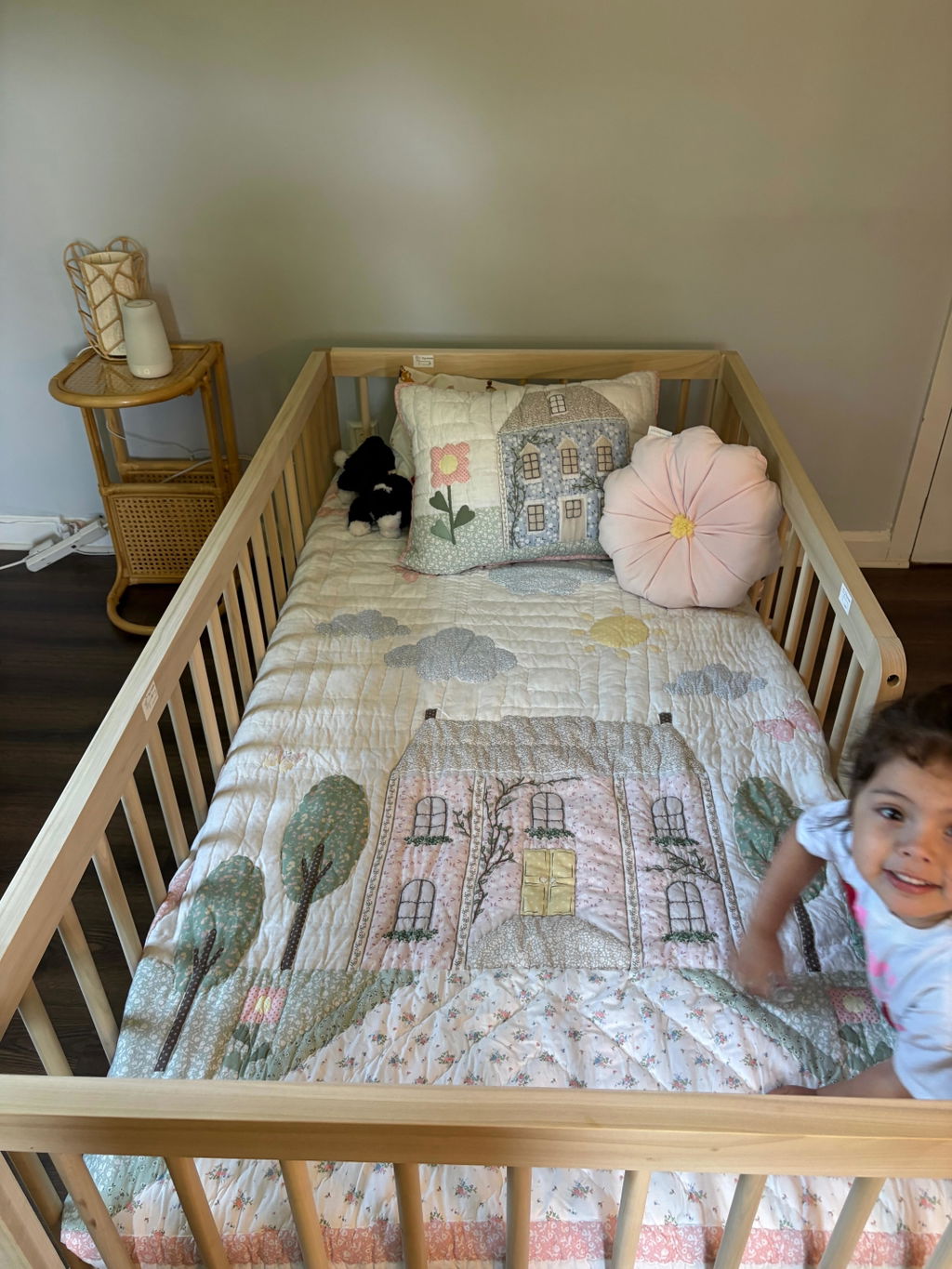
🛏️ A floor bed they can get in and out of independently
The goal isn't to make everything accessible all at once. It's simply to create opportunities for your child to do more for themselves.
And sometimes, that means giving them a little extra time to figure something out.

2. Give Them One Small Responsibility to Own
Toddlers love to help.
Instead of trying to find big jobs for them, give them one small responsibility that belongs to them.
Maybe they:
- Put their dirty clothes in the hamper
- Put their books back on the shelf
- Help feed the family pet
- Put napkins on the table
- Put their shoes away when they come inside
The job itself doesn't have to be complicated.
What matters is that your child begins to understand:
“This is something I can do.”
You may have to remind them at first. You may also have to resist the urge to redo it when the job isn't done exactly the way you would do it. 😉
That's okay.
They're learning.
And the confidence that comes from being trusted with a real responsibility can be much more valuable than getting the job done perfectly.
3. Give Everything a Home
One of the easiest ways to encourage independence is to make it obvious where things belong.
When everything has a predictable home, children don't have to rely on an adult to tell them where to find something or where to put it away.
A few examples:
📚 Books always go on the bookshelf.
🧸 Stuffed animals have a basket.
👟 Shoes have a designated spot by the door.
🧺 Dirty clothes go in the hamper.
🖍️ Art supplies stay in one accessible bin.
The simpler the system, the easier it is for little hands to participate.
And bonus: you're helping build habits that make cleanup a little easier for everyone.

Independence Doesn't Mean Doing Everything Alone
This is an important one.
Encouraging independence doesn't mean your child needs to figure everything out by themselves.
They still need help. They still need reassurance. They still need you.
Sometimes independence looks like letting them try first.
Sometimes it looks like doing something together.
And sometimes it looks like stepping in because they're tired, frustrated, or simply need their parent.
The goal isn't to make your toddler completely self-sufficient.
It's to give them opportunities to discover what they're capable of.
Start With Their Bedroom 🛏️
A child's bedroom can be a wonderful place to practice independence because it's a space they use every single day.
A thoughtfully designed room can give them opportunities to participate in small routines:
Choosing a book before bed.
Putting away their pajamas.
Picking out tomorrow's clothes.
Cleaning up a few toys.
Climbing into their floor bed when it's time to sleep.
None of these things seem particularly significant on their own.
But over time, they send a powerful message:
You are capable. You have a place here. You can help.
That's one of the ideas behind a Montessori-inspired environment. Instead of designing a space entirely around what adults can easily manage, we can consider what a child can safely access, understand, and participate in.
Let Them Try 🌱
The next time you hear “I do it!”, take a second before jumping in.
If you have the time, let them try.
Let them struggle a little.
Let them put their shoes on the wrong feet.
Let them carry the napkins.
Let them put the book back on the shelf.
Let them climb into bed themselves.
It may take longer.
It may not look perfect.
But they're learning something much bigger than how to put on their shoes or clean up their room.
They're learning to trust themselves.
And that's something worth making room for. 🤍
Looking for more ways to encourage independence at home?
Start with their space. A Montessori-inspired floor bed gives little ones the freedom to access their bed independently while creating a foundation for a bedroom designed around growing confidence and independence.